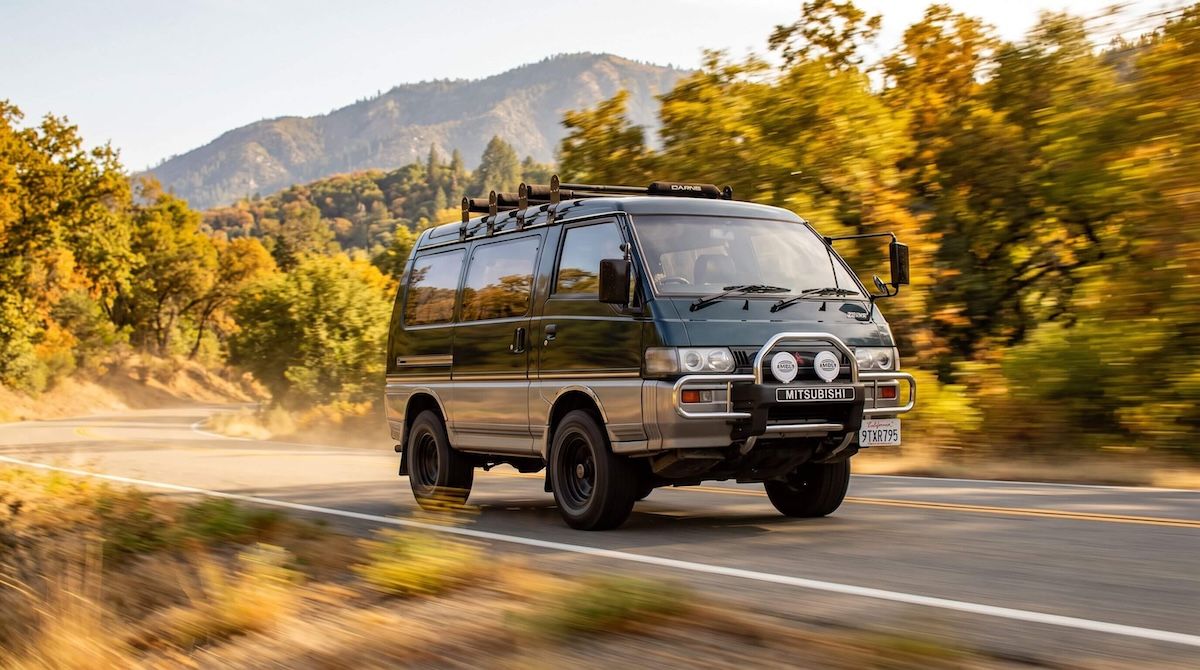
JDM Buyers Guide · Updated September 2026
How to buy your first JDM car
The 25-year rule, importing from Japan step by step, what it really costs, which cars make a great first JDM, and how to avoid getting burned.
The basics
What is a JDM car?
A JDM car is one built for Japan's home market. They're prized in the US because many were never sold here, and the ones that were often came with better engines, lighter weight, or more interesting options in Japan.
Built for Japan
JDM stands for Japanese Domestic Market: cars Toyota, Nissan, Honda, Mazda, Mitsubishi, Subaru and others built to be sold in Japan, not exported. Many were never offered in the US at all.
Right-hand drive, metric everything
Most JDM cars are right-hand drive with speedometers in km/h and radios tuned to Japanese FM bands. None of that stops them being legal here once they clear the 25-year rule.
Different specs than the US version
Even when a model was sold here, the Japanese version often got a different engine, trim or tune. A Skyline GT-R, a Silvia with the SR20DET, or a kei truck simply never came through US dealers.
Legality
The 25-year rule, explained
This is the reason almost every JDM car in the US is from the 1990s or earlier. Newer cars weren't built to US safety and emissions standards, and converting them is rarely worth it. Once a car turns 25, those federal requirements fall away.
Safety (NHTSA)
A car at least 25 years old, counted from its month and year of manufacture, is exempt from US Federal Motor Vehicle Safety Standards. The importer declares this on DOT form HS-7.
Emissions (EPA)
The EPA exempts vehicles at least 21 years old in original configuration, declared on EPA form 3520-1. Any car that clears the 25-year safety rule clears this one too.
Registration (your state)
Federal eligibility gets the car into the country. Titling and plating it is a state matter, and a few states are much stricter than others, especially on emissions and kei vehicles.
Is it 25 years old yet?
Enter the build date from the chassis plate or export certificate. Model year doesn't count.
Your first decision
Import it yourself, or buy one already here?
There are two ways to get a JDM car: bring one over from Japan, or buy one someone else has already imported and titled. Neither is wrong. Here's how they compare.
Import from Japan
- Price you pay
- Auction price plus fees, freight, duty and broker. Often cheaper on paper.
- Seeing the car first
- You buy from photos and an auction sheet, sight unseen.
- Time to driveway
- Usually 2 to 4 months from winning the bid.
- Paperwork
- You or your broker handle export, customs, DOT and EPA forms, then state titling.
- Risk
- Condition surprises, shipping damage, and currency swings land on you.
- Best for
- Patient buyers chasing a specific spec, color or grade.
Buy one already in the US
- Price you pay
- Seller's asking price, which already covers the import costs and a margin.
- Seeing the car first
- You can inspect it, drive it, or hire a local inspector.
- Time to driveway
- Days to a couple of weeks.
- Paperwork
- Already cleared customs. You need a clean US title and the import docs.
- Risk
- What you see is what you get, as long as the paperwork checks out.
- Best for
- First-time buyers and anyone who wants to drive it this season.
Our honest take: for a first JDM, buying one that's already here is usually the smarter move. You can see it, drive it, and check the paperwork before any money changes hands. Import when you know exactly what you want and can wait for it.
Found the right car in another state? Get an instant shipping quote for open or enclosed transport to your door.
Step by step
How to import a car from Japan
Importing a JDM car is mostly paperwork and patience. Here's the whole process, from checking the build date to bolting on your plates.
- 1
Confirm the car is eligible
Check the build date on the chassis plate or export certificate, not the model year. The car must be at least 25 years old to the month on the day it reaches US customs.
- 2
Check your state's registration rules
Before you bid, confirm your state will title and plate it. Emissions testing and kei vehicle rules vary a lot, and a car you can import is not always a car you can register.
- 3
Choose an exporter or importer
Individuals can't bid at Japanese dealer auctions directly. You work through an export agent in Japan or a US importer who has auction access, inspects cars and handles the paperwork.
- 4
Find the car and read the auction sheet
Auction sheets grade overall condition and map every dent, scratch and rust spot. Get the sheet translated, ask for extra photos, and set a firm maximum bid before the auction.
- 5
Pay, deregister and export
After purchase the car is deregistered in Japan and you receive an export certificate, which is its ownership document. Payment is usually by wire transfer within a few days.
- 6
Ship it across the Pacific
Most cars travel roll-on/roll-off (RoRo) to a West Coast port. Container shipping costs more but protects the car better and lets you ship parts alongside it.
- 7
Clear US customs
A licensed customs broker files the Importer Security Filing, entry summary (CBP 7501), HS-7 and EPA 3520-1, and you pay import duty. CBP stamps the 7501 once the car is released.
- 8
Title and register it in your state
Take the stamped 7501, HS-7, 3520-1, export certificate and bill of sale to your DMV. Some states also want a VIN inspection, a safety check or an emissions test before they issue plates.
Rather not run the auctions yourself? A Verified Dealer can source, inspect, and ship the car for you.
See our import serviceBudget
What it really costs to import a JDM car
The auction price is only the start. Here's a worked example for a $12,000 car shipped to the West Coast and trucked inland, so you can see where the money goes.
| Auction hammer priceWhat the car sells for in Japan | $12,000 |
|---|---|
| Auction and export agent feesVaries by agent; often a flat fee | $1,200 |
| Transport to port in JapanDepends on auction location | $400 |
| Ocean freight (RoRo)Container runs higher | $1,800 |
| Marine insuranceUsually a percentage of value | $150 |
| Import duty (about 15%)Current rate for Japan; verify at import | $1,800 |
| Customs fees (MPF + HMF)Small percentage-based federal fees | $60 |
| Customs broker and port feesIncludes ISF filing and terminal handling | $800 |
| Truck from port to your doorLonger for East Coast buyers · Get an instant quote | $900 |
| Title, registration and inspectionBefore state sales tax | $400 |
| Total landed and registered | $19,510 |
Illustrative 2026 figures, rounded. Fees vary by agent, port, state and exchange rate, and state sales tax is extra.
Costs on top of the purchase price
$7,510
About 63% more than the hammer price in this example.
Duty is higher than it used to be
The old rule of thumb was 2.5%. Since 2025, a 25-year-old car from Japan still skips the 25% auto tariff but pays roughly 15% under the US-Japan trade framework. Tariffs are changing fast, so confirm the rate with your broker before you bid.
Budget for the first month
Almost every import needs fresh fluids, tires (check the date codes), a battery, and often a timing belt. Set aside $1,000 to $3,000 so the first repair bill doesn't sting.
Watch the exchange rate
Auction prices are in yen. A few percent swing in the dollar between setting your budget and paying the invoice can move the final number by hundreds.
Where to start
Best first JDM cars
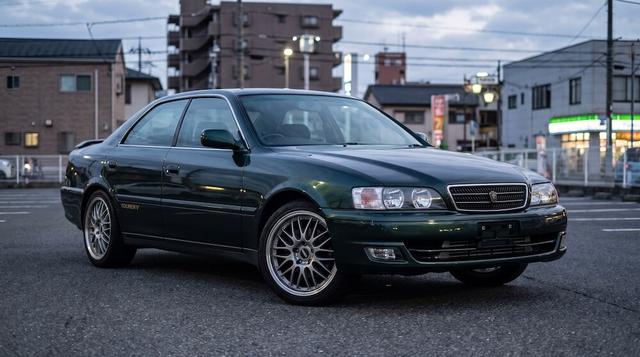
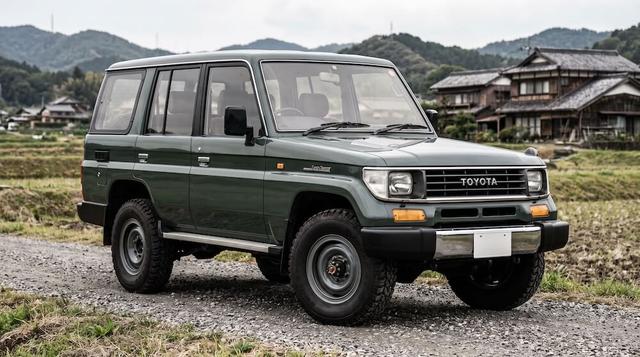
These are the cars buyers on JDM Supply ask about and buy most. They're easy to find, well supported, and fun enough that you'll actually drive them.





Due diligence
How to inspect a JDM car and avoid getting burned
Most JDM horror stories come down to two things: a car nobody looked at closely, or paperwork nobody checked. Here's what to look for on the car and in the folder.
Rust underneath
Cars from Japan's snowy north see salted roads. Look at the sills, floor pans, strut towers and subframe mounts, not just the paint.
Mileage in kilometers
The odometer reads km. Cross-check it against the auction sheet and Japanese inspection (shaken) records if the seller has them.
Auction grade and repair marks
Ask for the original auction sheet. Grades of 4 and up are good; an R or RA grade means the car has had structural repair.
Maintenance items
Ask when the timing belt, water pump and fluids were last done. On a 25-year-old car, assume they weren't unless there's a receipt.
Modifications
Aftermarket parts are common. Tasteful and documented is fine; cut springs, gutted catalytic converters or wiring hacks are not.
Cold start and test drive
Start it cold, watch for smoke, and drive it far enough to feel the gearbox, brakes and steering warm up.
Paperwork a legit import comes with
- A clean US title in the seller's name (or a dealer's reassignment)
- CBP Form 7501 entry summary, stamped by customs
- DOT HS-7 declaring the 25-year exemption
- EPA 3520-1 declaring the 21-year exemption
- The original Japanese export certificate, ideally with a translation
- A VIN or chassis number that matches every document
Red flags: walk away
- The seller pushes for a wire transfer or gift cards before you have seen the car or the title
- The price is far below every comparable listing, with a story about why they must sell quickly
- No stamped 7501 or HS-7, or a title that says the car was built later than the chassis plate
- A car under 25 years old sold as road legal, or a VIN on the revoked compliance list
Ownership
After your JDM car arrives
Congratulations, it's here. A few things to sort out in the first weeks will make it a car you enjoy rather than one you worry about.
Insurance
Look for an agreed-value policy from a collector or specialty insurer that is comfortable with right-hand drive. Standard carriers sometimes refuse or undervalue imports.
Registration and inspection
Bring every import document to the DMV. Some states need a VIN verification, safety inspection, or emissions test first. Our state-by-state guide lists what yours requires.
See your state's rulesBaseline maintenance
Change every fluid, replace old tires and belts, and have a mechanic who knows Japanese cars give it a once-over. It is the cheapest way to make an import reliable.
Small conversions
A Japanese radio only picks up part of the US FM band; a band expander or new head unit fixes it. Adjust headlight aim for right-hand traffic, and consider a km/h to mph gauge overlay.
Parts and community
Many JDM models share parts with US-market cousins. For the rest, Japan-based parts exporters ship worldwide, and owner communities are the fastest way to find a good specialist. Our private Facebook group has 40,000+ right-hand-drive owners and buyers who have been there.
Request to join our Facebook groupJDM buying questions, answered
Yes. Any car at least 25 years old, counted from its month of manufacture, can be imported without meeting US safety standards, and cars 21 years or older are exempt from EPA emissions certification. Once imported with the right paperwork, it can be titled and registered in every state, though some states add their own emissions or inspection requirements.
Yes. No federal or state law bans right-hand drive cars. You may need to adjust headlight aim for right-hand traffic, and it takes a little practice at drive-throughs, toll booths and when passing, but thousands of people daily drive RHD imports.
On top of the purchase price, expect roughly $6,000 to $9,000 for a typical car: auction and agent fees, ocean freight, import duty (currently around 15% of the car's value for cars from Japan), customs broker fees, and trucking from the port. The more expensive the car, the more you pay in duty.
Usually two to four months from winning the auction to the car arriving at your door. Shipping across the Pacific takes about three to six weeks, and export paperwork, port congestion and customs clearance add the rest.
Importing yourself is usually cheaper on paper because you skip the seller's margin. But you buy sight unseen, wait months, and carry the risk of condition surprises. For a first JDM, buying a car already in the US lets you inspect it and drive it first, which often makes it the better value.
Only in rare cases. A newer car must be modified and certified by a Registered Importer to meet US safety and emissions standards, and only models NHTSA has approved as eligible qualify. It is expensive and slow, which is why most JDM imports are 25 years or older.
An inspection report written by the auction house. It gives the car an overall grade and an interior grade, and marks every dent, scratch, repair and rust spot on a diagram. Always ask for the original sheet and get it translated before you buy.
Less than you might think. Many JDM models share engines and parts with cars sold in the US, and Japan-based parts exporters ship worldwide. Rare trim pieces and body panels for low-volume models can take patience, so join an owners club early.
Ready to find your first JDM?
Browse cars that are already in the US and titled, or tell us what you want and a Verified Dealer will source it from Japan.