Mitsubishi Lancer Evolution For Sale
Browse Mitsubishi Lancer Evolution listings from private sellers and verified dealers.
Showing 1–10 out of 36 vehicles
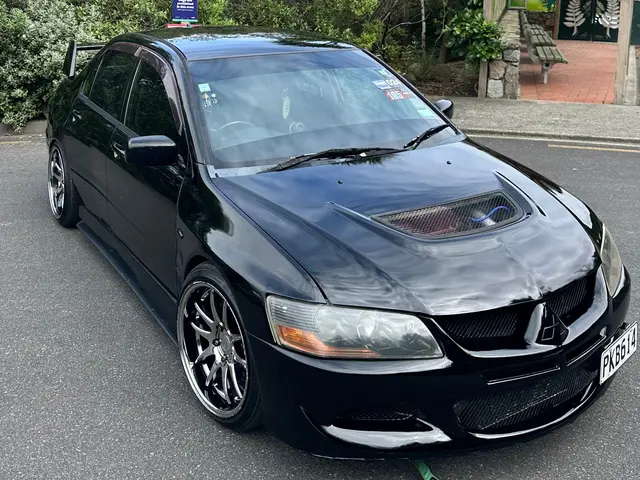
2001 Mitsubishi Lancer Evolution CT9A
78,749 miles · 4G63T · Manual · Gasoline
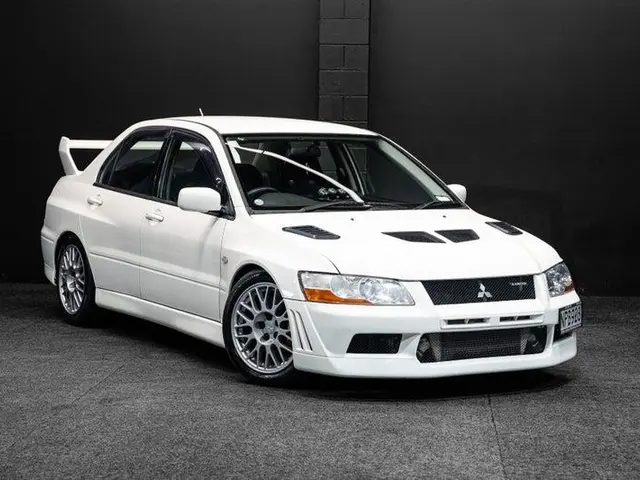
2001 Mitsubishi Lancer Evolution CT9A
115,130 miles · 4G63T · Manual · AWD · Gasoline
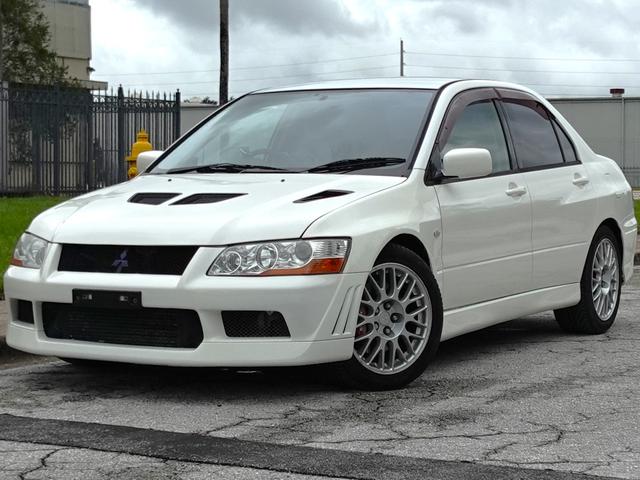
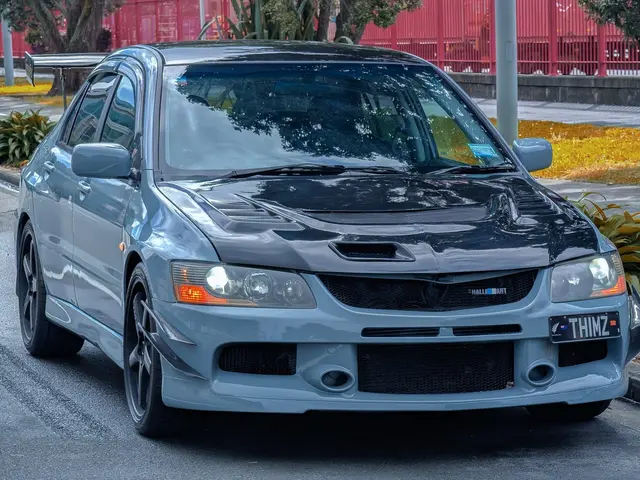
2002 Mitsubishi Lancer Evolution CT9A
96,517 miles · Manual · AWD · Gasoline
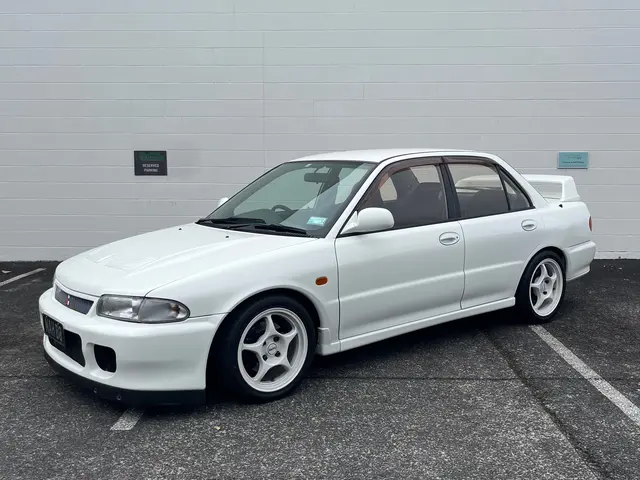
1994 Mitsubishi Lancer Evolution CE9A
43,155 miles · Manual · Gasoline
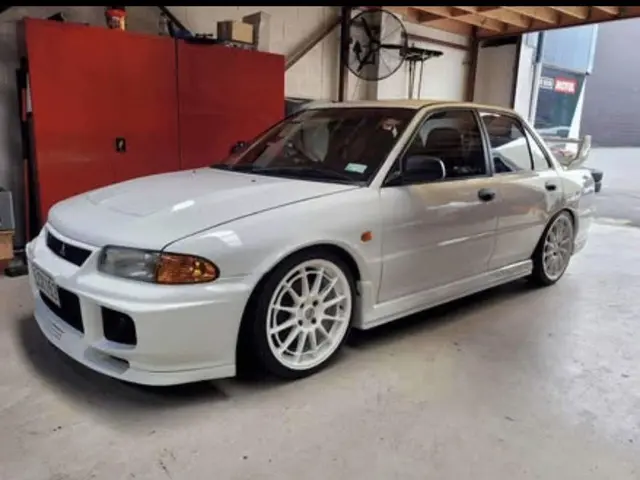
1995 Mitsubishi Lancer Evolution CE9A Evolution III
92,344 miles · Manual · Gasoline
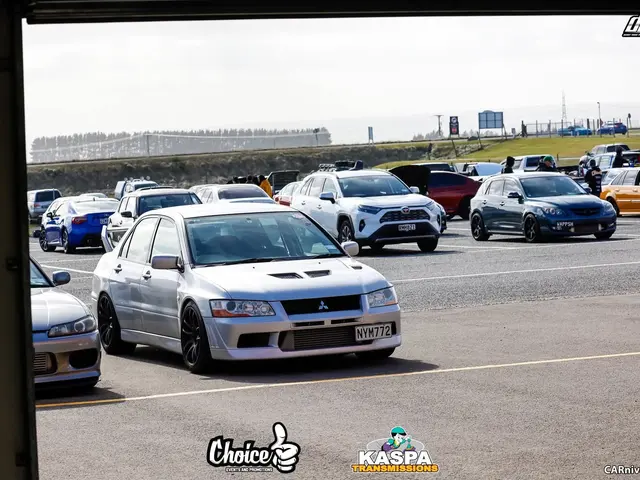
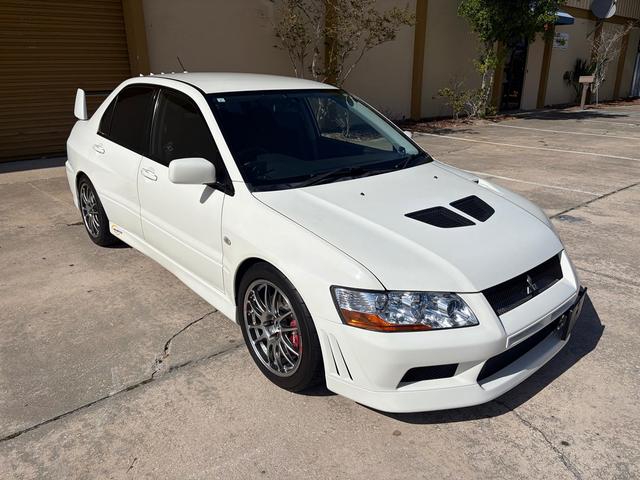
Mitsubishi Lancer Evolution Overview
Did you know that the Lancer Evo was intended to be a JDM only model? However, gray import success in Europe and North America, as well as official sales of the Subaru Impreza WRX in these markets spurred Mitsubishi to officially bring their super-sedan to these markets. Produced across ten generations from 1992 to 2016, it’s the most popular Mitsubishi model in petrolhead circles. The formula was pretty simple on paper; take the Lancer compact, give it a fearsome turbocharged engine with a beefed-up manual gearbox, power the rear wheels as well as the fronts, and give it upgraded suspension and brakes to handle the extra power. Yes, but there’s a bit more to all that, you see. While conversion of a regular Lancer into an Evolution is possible (and done in many parts of the world), there’s nothing like a true-blue, factory original. The story starts in 1992, when the Evolution I came out. It took the powertrain from the Galant VR-4, which was a 4G63T 2.0-liter turbo four, 5-speed manual transmission and all-wheel drive system. Most variants had comforts such as air conditioning, electric windows and a stereo, plus the rear seat for practicality, but hardcore racing variants such as the RS omitted these.
The engine made 247 horsepower and 228 lb-ft of torque. The Evolution II was released in 1993. It was based on the same series of Lancer, and saw some enhancements, including a power bump to 256 horsepower, a larger 50-liter fuel tank and some lovely 15-inch OZ rims. 1995’s Evolution III would be a much more comprehensive upgrade, featuring updated styling, enhanced powertrain cooling, and now 266 horsepower. When the next series of Lancer came out in 1996, the Evolution IV followed. You had your choice of GSR or RS, with the latter being the stripped-out racer variant, the former maintaining practicality and family friendliness. Here, a new twin-scroll turbocharger meant that power was now 276 horsepower (Japanese automaker’s Gentleman’s Agreement figure), while torque was a healthy 260lb-ft. This is also where the famous Super Yaw Control all-wheel drive system came into the scene. In 1998, the Evo V came with many interior and exterior upgrades, as well as performance enhancements. Reported power stayed the same, torque climbed to 275lb-ft. In 1999, the Evo VI came out, and mainly brought powertrain durability and cooling enhancements. While JDM models were officially rated at 276 horsepower, export models could make as much as 330 horsepower! With 2001’s Evolution VII, the car gained some weight due to being based on a larger Lancer Cedia. This generation sported changed styling, more torque (283lb-ft) and for the first time in an Evo, an automatic gearbox choice. This was called the GT-A, joining the RS and GSR in the range.
This generation was also the first to be officially sold in the United States. In 2003, the Evolution VIII was released, and while it continued to be rated at 276 horsepower in Japan, some UK variants exceeded 400 horsepower! The Evolution IX came in 2005 and brought several exterior, interior and performance tweaks. Since the Gentleman’s Agreement ended earlier that year, the car could now be officially rated at 291 horsepower – still conservative. The Evolution X was the final iteration, and the longest-running, being sold from 2007 to 2015. It was a completely new design with a new engine as well, the 4B11T. For the Japanese market, it was rated at 291 horsepower and 300lb-ft of torque. The 5-speed manual gearbox was standard, while a 6-speed twin-clutch automatic was available. It also came with Mitsubishi’s updated S-AWC (Super All Wheel Control) all-wheel drive system. Sadly, by the end of the 2015 model year, the Evo was no more, with no successor in sight to date.
If you have any questions, comments, or concerns about any JDM cars for sale on our website, please reach out to support@jdmsupply.com and we'll respond back to you as soon as possible!